
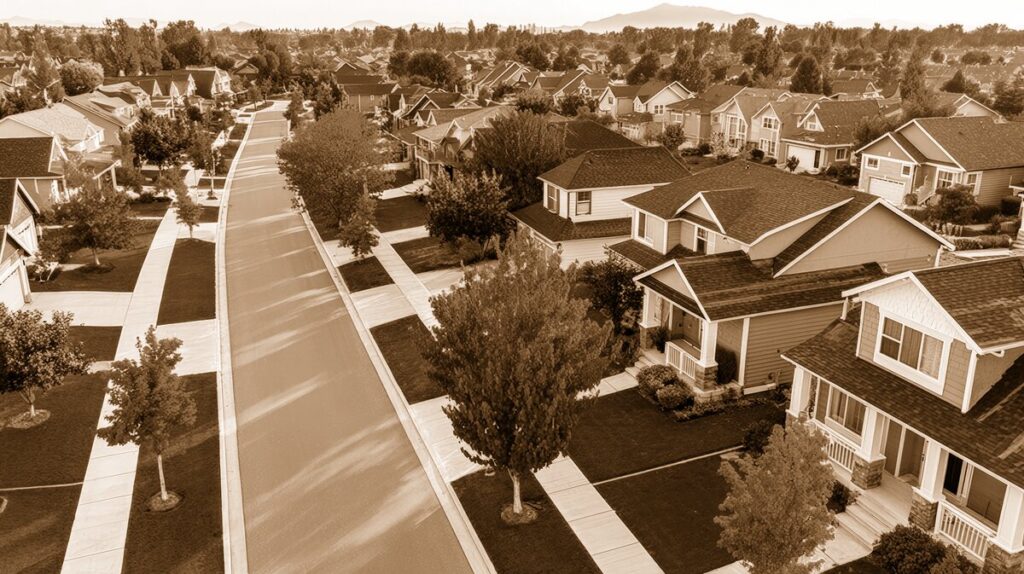
West Huntsville is more than just a dot on the map—it’s a community woven from generations of ambition, hard work, and the kind of neighborly bonds that give a place its heart. With a past tightly knotted to Huntsville’s industrial boom and a present defined by vibrant renewal, West Huntsville is a neighborhood where history lives on every corner and new stories are written each day.
Early Origins: Industry Sparks a Neighborhood
The story of West Huntsville begins in the early 1900s, when the west side of the city was little more than patchwork farmland. As Huntsville’s textile industry gathered steam, the famed Dallas Mill on Meridian Street attracted hundreds of workers and their families to the area. But it was across the railroad tracks, in newly plotted subdivisions near Holmes Avenue and Triana Boulevard, that West Huntsville began to take shape.
The neighborhood quickly gained a reputation as a blue-collar enclave, thanks largely to the influx of workers at the West Huntsville Cotton Mill, which was built in 1900. Company housing, storefronts, and even a company store spurred development along streets like 9th Avenue (now Bob Wallace Avenue) and 11th Street. In this era, the steady whistle of the mills set the pace of daily life.
How West Huntsville Got Its Name
The name “West Huntsville” was coined both as a simple geographical identifier and a mark of pride. Residents of the suburbs west of downtown distinguished their neighborhood geographically, but being “from West Huntsville” soon carried a sense of community identity all its own—one shaped by grit, resilience, and cooperation.
For decades, these boundaries were more than lines on a map; they defined school zones, places of worship, and even social gatherings. The intersection of Triana Boulevard and 9th Avenue became a community focal point, with landmark businesses like the West Huntsville Pharmacy and the iconic West Huntsville Elementary School serving generations of neighbors.
Key Historical Milestones
Over the past century, West Huntsville has witnessed periods of boom, decline, and renewal:
- The Mill Era (1900-1940): The West Huntsville Cotton Mill and Lincoln Mill powered local employment; daily life revolved around the mills, churches, and local markets.
- Post-War Growth (1945-1960): After World War II, the arrival of Redstone Arsenal and NASA’s space program transformed Huntsville—and West Huntsville along with it. Returning veterans found affordable homes along Triana, and schools like Butler High opened their doors in the early 1950s.
- Decline and Transition (1970-2000): As mills closed and commercial activity shifted eastward, some parts of West Huntsville struggled. But longtime families, faith communities, and a new generation of residents kept the neighborhood spirit alive.
- Revitalization (2000-present): In recent years, new parks, businesses, and community initiatives have ushered in a renaissance. Homes along Clinton Avenue and 7th Avenue now attract young families, artists, and professionals seeking classic charm and a strong sense of community.
Notable Landmarks and Institutions
West Huntsville’s landscape is dotted with buildings and parks that have stood the test of time:
- West Huntsville Elementary (formerly on 9th Avenue): Though the original structure is gone, alumni remember the heart and soul of community life centered here.
- The Historic West Huntsville United Methodist Church (north of Triana Blvd): Founded in the early 1920s and lovingly preserved, this church remains both a sanctuary and a community anchor.
- The West Huntsville Community Center (on 13th Street): Serving as a modern hub for events and gatherings, the center brings together old and new residents alike.
- Huntsville West (formerly the Stone Middle School building on Triana Blvd): Now an innovation and coworking campus, its halls once rang with the sounds of local students and continue to pulse with creative energy.
- Havens Park (at 2500 9th Avenue SW): This green space is a popular destination for picnics, play, and local celebrations.
As you stroll through these historic streets, you might spot the outlines of former mill homes—modest, gabled cottages that once housed entire families, or you might pause at a corner where a once-bustling grocery stood. These remnants are not just relics; they’re reminders of the hands that shaped West Huntsville’s story.
Street by Street: Character and Change
Part of West Huntsville’s enduring charm is found in its diversity. On 7th Avenue, early 20th-century bungalows neighbor trendy renovations. Clinton Avenue, once a boundary street for mill workers, now boasts artisan coffee shops and barbecue joints that draw crowds citywide. The old West Huntsville School gives way to the new, as tech firms and start-ups find a home where laughter and learning once filled classrooms.
Triana Boulevard, the main artery, is both a throughway and a timeline—churches, repair shops, updated apartment complexes, and craftsman homes blend reminders of the neighborhood’s working-class roots with signs of an optimistic future.
Community Spirit and Evolution
The story of West Huntsville is one of neighbors helping neighbors. Annual events like community yard sales, fall festivals at the West Huntsville Community Center, and neighborhood cleanups bring residents together. Even as new businesses and young families settle in, there’s a sense of unity—one that honors the voices of those who’ve called this place home for decades.
From the era of the cotton mills to the digital age, West Huntsville has balanced growth with gratitude for its past. The neighborhood’s evolution is visible—old homes restored with modern touches, local murals celebrating Huntsville’s industrial and space heritage, new parks and playgrounds echoing with laughter.
Yet, for every new addition, there’s a determination to preserve what matters: neighborliness, history, and the unspoken promise that West Huntsville will always be more than just an address.
Looking Ahead
If you ask a longtime resident about West Huntsville’s future, you’ll likely hear hope and pride in their voice. The neighborhood has seen hard times and bright days, but at its core is a conviction that “community” isn’t just where you live—it’s who you are. Whether you’re catching up with friends at Clinton Row, attending a Sunday service, or walking your dog along Bob Wallace Avenue, you’re part of a neighborhood that remembers—and celebrates—where it’s come from.
So next time you take a stroll through West Huntsville, pause for a moment: listen for the echoes of the mills, admire the careful restoration of an old schoolhouse, or enjoy the laughter in Havens Park. In these simple, everyday moments, the legacy of West Huntsville lives on.